
Bone Health
Long-Term Bone Health
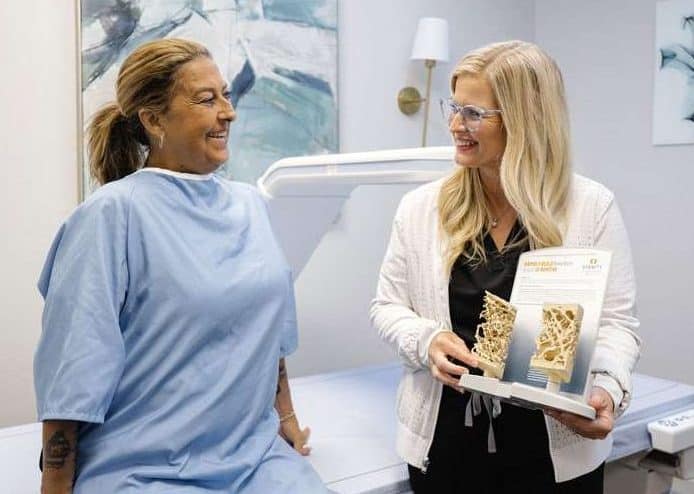
At Metabolic Center of Oklahoma, our Bone Health program focuses on the prevention, diagnosis, and treatment of osteoporosis and post-bariatric surgery bone care. We take a proactive, medical approach to protecting bone density and reducing fracture risk - especially as patients age.
Whether you’ve already been diagnosed or want to stay ahead of bone loss, our team provides personalized care based on your individual risk factors, labs, and imaging.
Who May Benefit
Patients who have been diagnosed with or are concerned about the following conditions may benefit from bone health evaluation and treatment:
We also recommend bone health screenings for adults over 50, patients with a history of fractures, or those with long-term vitamin deficiencies.
Our Approach
Our approach to bone health is holistic - we look at the full picture. The first step often includes gathering information through our in-house DEXA scans, where trained technicians guide patients through the evaluation process.
Metabolic Center of Oklahoma is one of only two non-hospital sites in the area offering Trabecular Bone Score (TBS) readings - and the only site in Edmond.
Depending on your needs, your evaluation may also include comprehensive lab analysis, hormonal and metabolic assessment, and nutritional evaluation.
From there, we build a personalized plan designed to slow bone loss, improve bone strength, and reduce fracture risk.
Treatment Options

Depending on your needs, your care plan may include:
We focus on evidence-based treatments while tailoring recommendations to your lifestyle and long-term health goals.
Why Bone Health Matters
Bone loss is often silent until a fracture occurs. Early detection and treatment can significantly reduce risk while helping patients maintain independence, mobility, and long-term quality of life.
Our goal is simple: help patients stay strong, active, and protected as they age.
Real Patient Feedback
Verified Google Review
Breanne Flusche has provided excellent care! She is knowledgeable and shows compassion for her patients. I am thankful I was referred to her for bone health. She has continued to monitor how my body responds to treatments in order to formulate the best plan of care.
Grace C., Verified Patient
Pricing & Insurance
We strive to make getting the proper care as affordable as possible and are in-network with most major insurance carriers.
Sometimes services are not covered or patients do not have insurance coverage. In those situations, we offer the following self-pay pricing options:
Self-Pay Pricing
Begin Your Care Plan
Schedule a consultation to receive a personalized evaluation and a provider-guided treatment plan tailored to your health goals.
No referral required • New patients welcome
No referral required.
New patients welcome.
Contact
Phone: (405) 832-6881
Fax: (833) 941-1685
200 N Bryant Suite #120
Edmond, OK
Mon-Thu: 8am-5pm
Fri: 8am-12pm
Care
Patients
Access
Access
© 2026 Metabolic Center of Oklahoma | Privacy Policy | Terms of Use
© 2026 Metabolic Center of Oklahoma